Anodizing
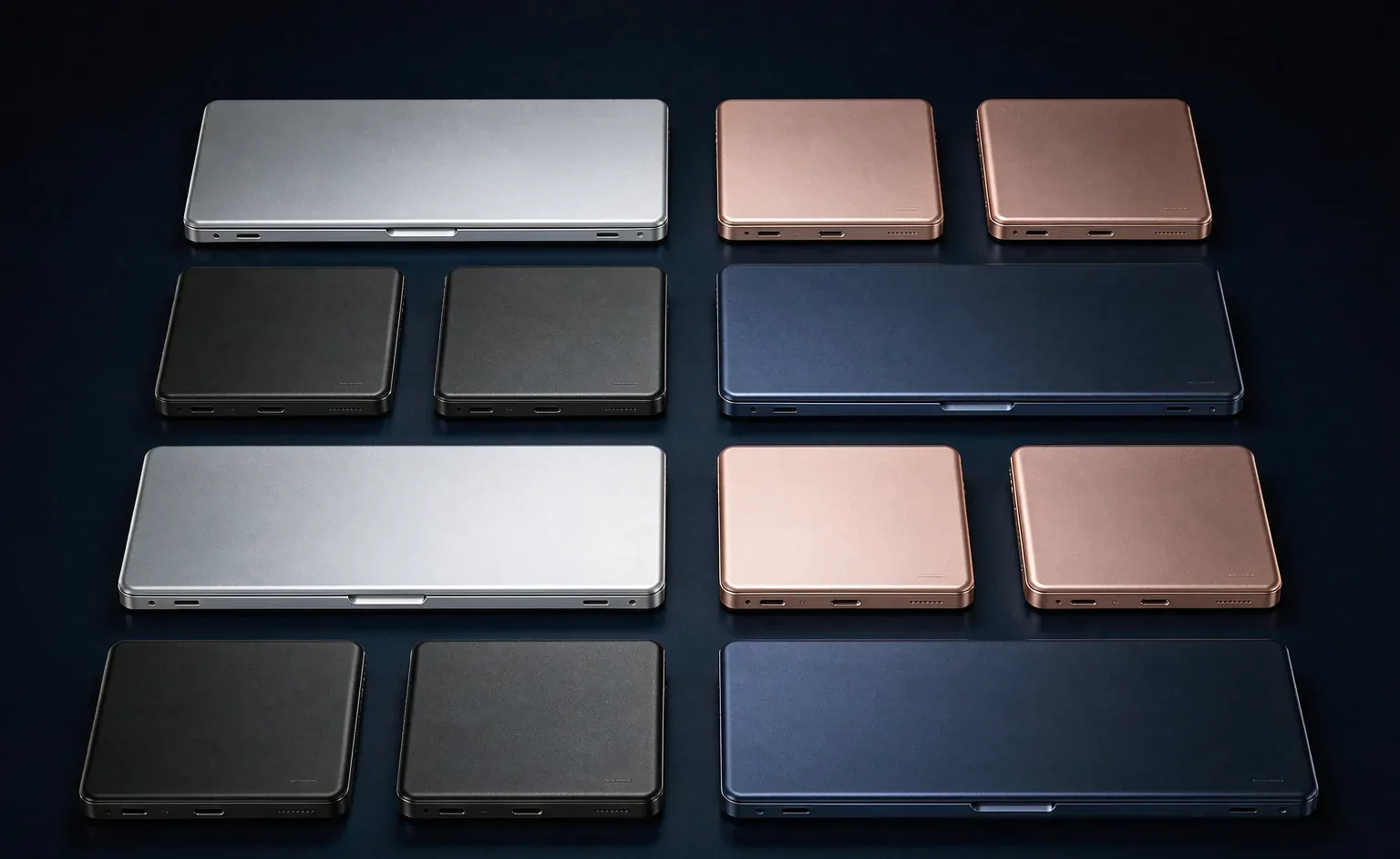
Type I (chromic), Type II (sulfuric) and Type III (hardcoat). Dye colors to Pantone, with sealing for corrosion and wear resistance.
- Type I / II / III
- Black & clear anodize
- Dye to Pantone
Material choice decides whether your part survives. We stock and process the grades that actually come through our factory — and we tell you when a cheaper alloy will do the same job.
Not listed? We still stock it — send us the spec and we will confirm availability, lead time and price.
Lightest structural option. 6061-T6 is the default for machined and anodized housings; 5052 for marine; 7075 where maximum strength matters.
304 for general use, 316L/316 for salt and chemical exposure, 440C for hardness, 17-4PH for high-strength machined components.
Low-cost structural and enclosure material. SECC offers a smoother surface for powder coating.
Pre-coated sheet for outdoor enclosures and cabinets.
Electrical and thermal conductivity, corrosion resistance. Brass C360 machines cleanly for connectors.
Aerospace, medical and marine. Grade 5 is 6x stronger than aluminium at half the weight of steel.
The lightest structural alloy we process. Requires corrosion protection for outdoor use.
Hardened tooling and wear parts. We also supply spare die components machined from these grades.
High impact strength with a Class V flame rating. The default for consumer electronics housings.
General purpose, easy to texture and plate. Grade up for impact.
Low friction and wear resistant — gears, bushings, sliders. GF30 for stiffness.
Dimensional stability and low friction. Excellent for precision gears and snap-fit features.
Continuous 250°C service. Chemical and wear resistant — medical instruments and aerospace.
Non-stick, chemically inert, low friction. Seals, gaskets and insulator parts.
Optical clarity for lens covers, light guides and display bezels.
High heat resistance for electrical insulation and halogen-free flame-retardant applications.
Most material decisions are simpler than the drawing makes them look. This is where buyers over-spec — and where we push back.
Finishing is not a bolt-on. It affects dimensional tolerance, corrosion life and how the part feels in the hand — so we do it before final inspection, not after.
Type I (chromic), Type II (sulfuric) and Type III (hardcoat). Dye colors to Pantone, with sealing for corrosion and wear resistance.
Polyester, epoxy and fluorocarbon powders, RAL or Pantone matched, cured in our own oven. Thin film 60–120μm, tested for adhesion.
Zinc, nickel, chrome, tin and gold plating for conductivity, wear and cosmetic finish. Multi-layer builds available.
Chromic and chrome-free passivation to AMS 2700 and ASTM A967 for stainless parts destined for medical or food use.
Bead blast, brush, tumble, vibratory deburr and electropolish — the substrate finish that determines how the final coating looks.
Laser marking for permanent traceability, silk screen for logos and legends. Data-matrix codes tied to your part number.
Material certificates are not an upsell. They are how you prove, two years later, exactly what went into the product.
Full mill certificates for every batch: composition, mechanical properties, heat treatment and dimensions.
Heat numbers stamped on cartons so any part can be traced back to its coil within seconds.
Declaration of compliance for restricted substances, on request, for every shipment.
Certificates, dimensional reports, material data sheets and packing list shipped together as one PDF set.
We source to spec. Send the grade, the standard and the finish — we will confirm availability, price and lead time in the same quote.